25–50 miles of range per hour
A 48-amp Level 2 charger refills most EVs overnight from near-empty. A 120 V Level 1 outlet adds 3–5 miles per hour — fine for plug-in hybrids, impractical for a full BEV.
J1772 and Tesla Wall Connector installs — dedicated 50-amp circuit, NEC load calculation, permit pulled, and up-front pricing. Charge a full battery overnight, every night.
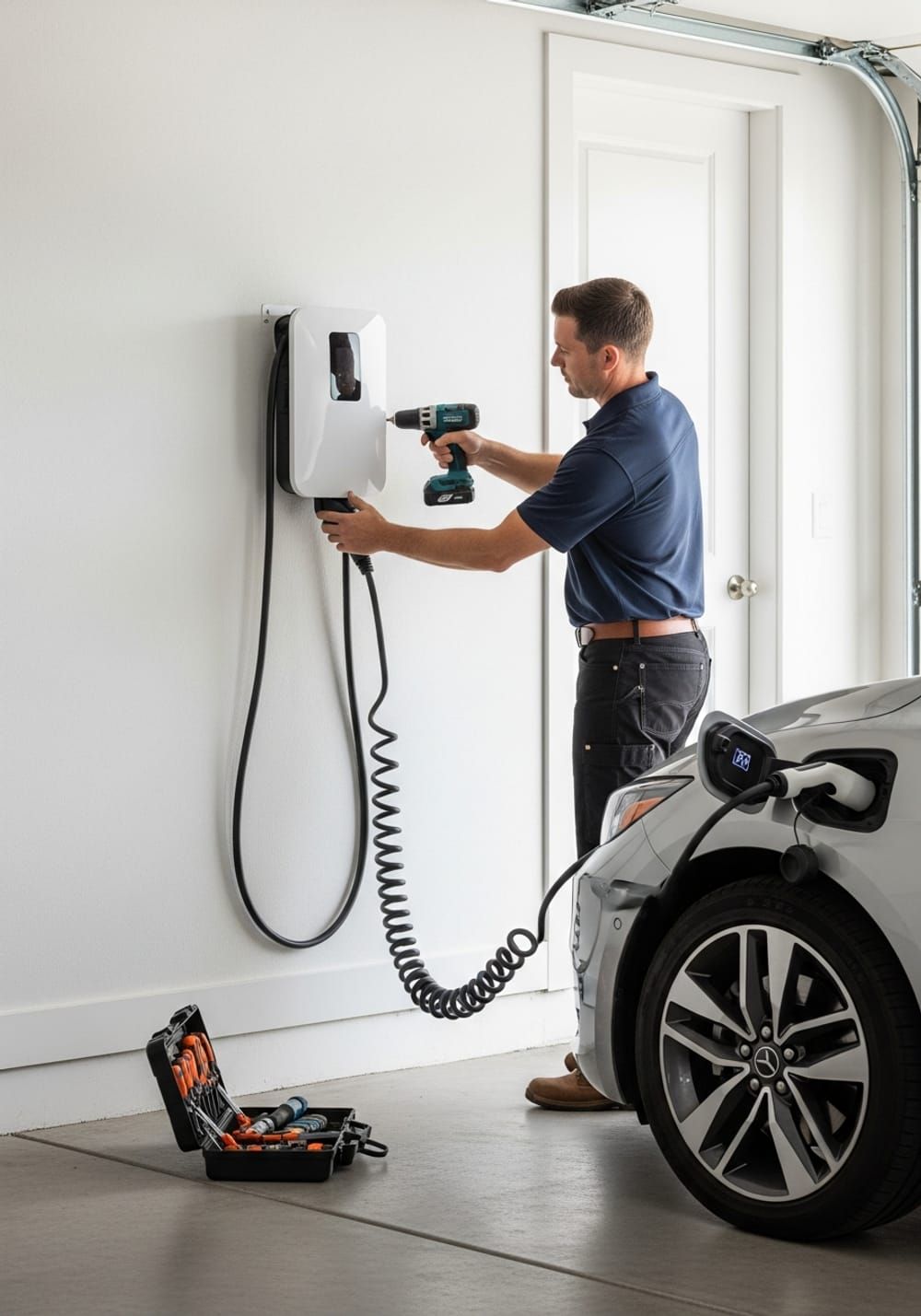
The Level 2 EV charger installation cost question is usually the first one homeowners ask — and the honest answer is: it depends on your panel, your garage layout, and the charger you choose. What does not vary is how we quote it: a load calculation first, a dedicated 50-amp, 240 V circuit sized to NEC Article 625, a permit pulled before we touch the wire, and a line-itemed price you approve before any work starts.
We are a licensed Florida electrical contractor serving all of Palm Beach County. We install J1772 EVSE from every major brand — ChargePoint, Enel X JuiceBox, Grizzl-E, Emporia — and the Tesla Wall Connector. Not sure which charger fits your vehicle and panel? We help you choose, then we install it correctly the first time. Use our electrical cost estimator for a ballpark, then call for the precise quote.
Drag the handle. The same garage that sent you to bed with a half-charged battery on a standard 120 V outlet wakes you up with a full charge every morning — thanks to a hardwired Level 2 charger on its own 50-amp, 240 V circuit.
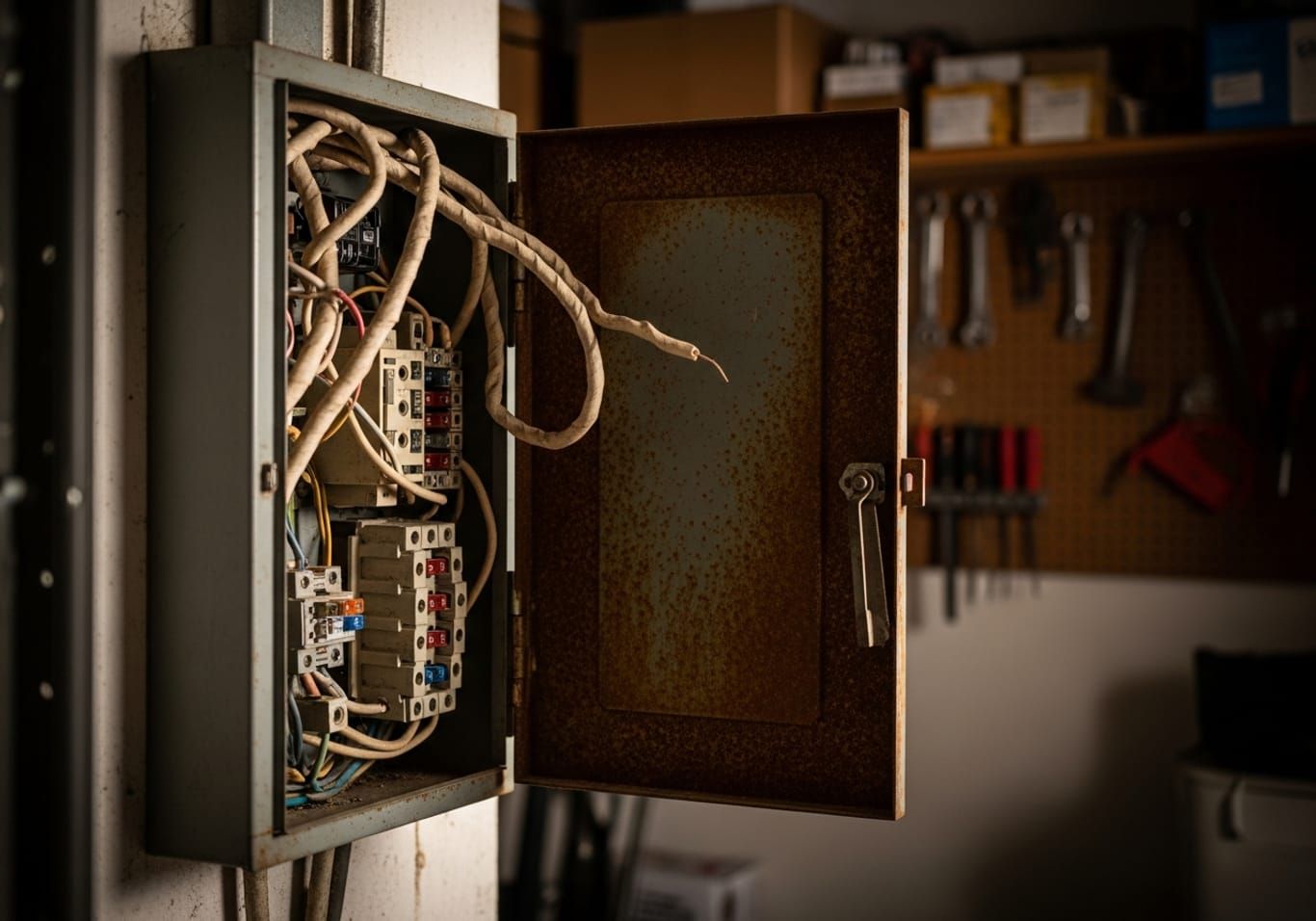
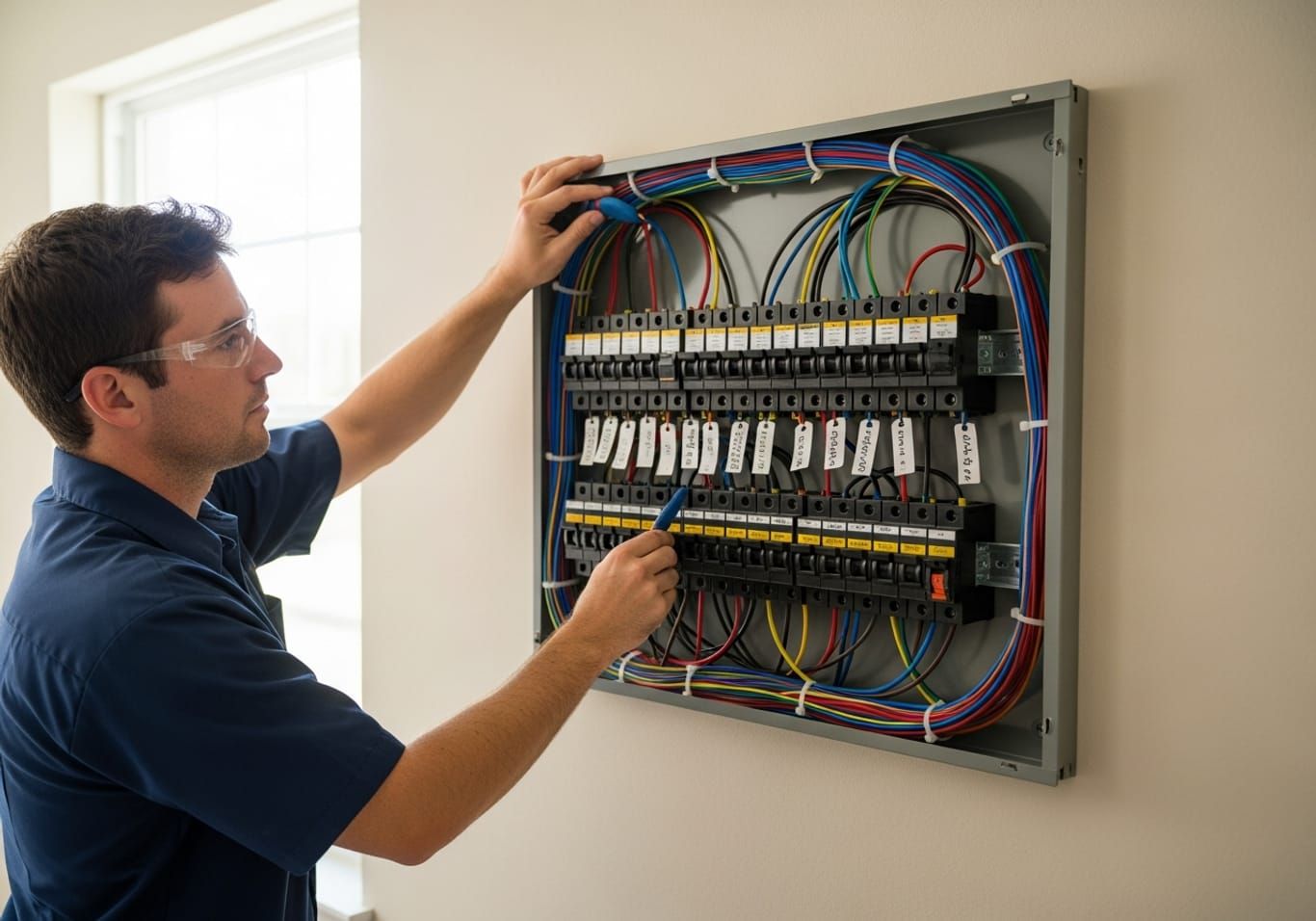
Speed is the headline, but it rarely stays the only reason homeowners are glad they made the upgrade.
A 48-amp Level 2 charger refills most EVs overnight from near-empty. A 120 V Level 1 outlet adds 3–5 miles per hour — fine for plug-in hybrids, impractical for a full BEV.
J1772 is the North American standard: it charges every non-Tesla natively and every Tesla with the included adapter. A Tesla Wall Connector speaks both Tesla and J1772 on newer units.
Wi-Fi-connected EVSE units let you schedule charging for off-peak hours, track energy use, and share charging logs — useful if your employer reimburses home-charging kWh.
South Florida lightning and grid transients can damage an EV’s on-board charger. We recommend a whole-panel surge protector with every EVSE install — a small add-on that protects a large asset.
A closed permit on a dedicated EV circuit is a selling point and a requirement for homeowner’s insurance coverage of a wiring-related loss. We handle every step of the permit process.
A 50-amp, 240 V circuit future-proofs the garage — whether you add a second vehicle or upgrade to a higher-range EV with a larger on-board charger tomorrow.
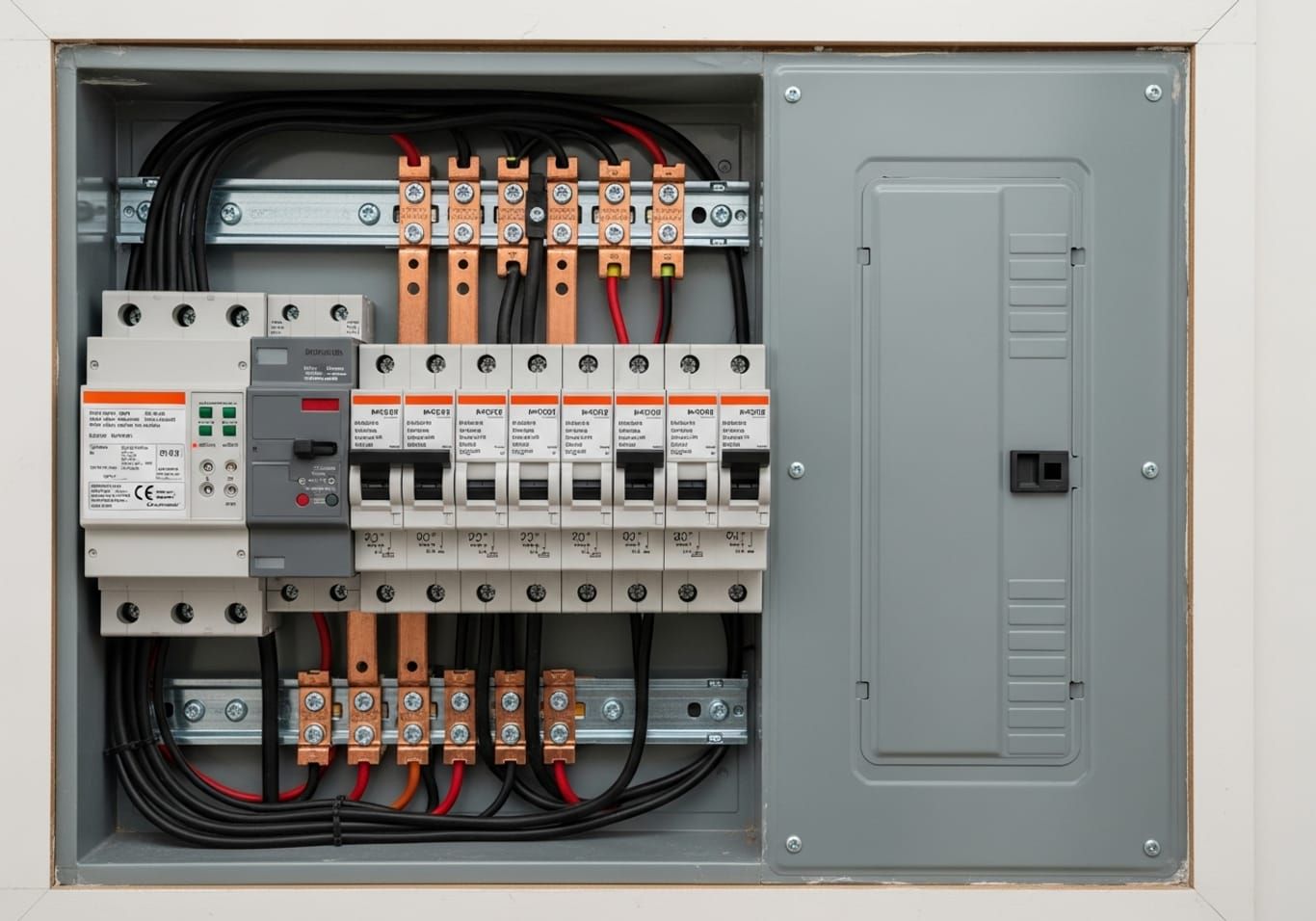
Two charger installs can look identical from the driveway and be done completely differently inside the wall. These are the elements that decide whether your install is safe, code-compliant, and built to last.
The right charger depends on your vehicle, how fast you need to charge, and whether you want smart scheduling. We install all of these and help you choose.
Up to 48 A hardwired, NEMA 14-50 or hardwire. Ships with a J1772 adapter on Gen 3 — charges any EV, not just Teslas.
16–50 A adjustable, Wi-Fi, compatible with every J1772 vehicle. Popular choice for multi-vehicle households.
48 A smart charger with energy tracking and scheduled charging via the JuiceNet app. ENERGY STAR certified.
16–40 A, weatherproof NEMA 6-50, built for outdoor installs in humid coastal climates — ideal for South Florida carports.
Up to 48 A with solar integration and home energy management — pairs well with rooftop solar for a true green-charging setup.
Not a smart charger, but the universal travel-adapter socket. Lets you plug in any portable EVSE — the lowest-cost dedicated-circuit option.
Not sure which charger matches your vehicle and panel? We quote the charger, circuit, and labor together as one flat price — no surprise adders. Use our electrical cost estimator to get a range before you call.
Want a ballpark before you call? Our electrical cost estimator covers EV charger installs, panel upgrades, and more.
Try the Cost EstimatorThree charging tiers, three very different use cases. Here is how they stack up for a Palm Beach County homeowner.
| Level 1 (120 V) | Level 2 (240 V) | DC Fast Charge | |
|---|---|---|---|
| Voltage / amperage | 120 V / 12 A | 240 V / 32–48 A | 400+ V DC |
| Range added per hour | 3–5 miles | 25–50 miles | 100–200+ miles |
| Full charge (60 kWh pack) | 40+ hours | 8–12 hours | 20–45 minutes |
| Home install possible | Plug-in only (no work) | Yes — licensed electrician | Commercial only |
| Permit required (FL) | No (using existing outlet) | Yes — we pull it | N/A for home |
| Best for | PHEVs, light daily use | Full BEVs, daily drivers | Long-distance travel stops |
| Relative cost to install | $0 (existing outlet) | $$ | Commercial — $$$$$ |
For most Palm Beach County homeowners with a full battery-electric vehicle, Level 2 is the clear practical choice — and it is the only tier we install at your home. DC fast chargers are commercial infrastructure, not a home product.
Every EV charger install in Palm Beach County is a permitted electrical job governed by NFPA 70 (NEC) Article 625 and the Florida Building Code. Here is what those requirements actually mean for your home.
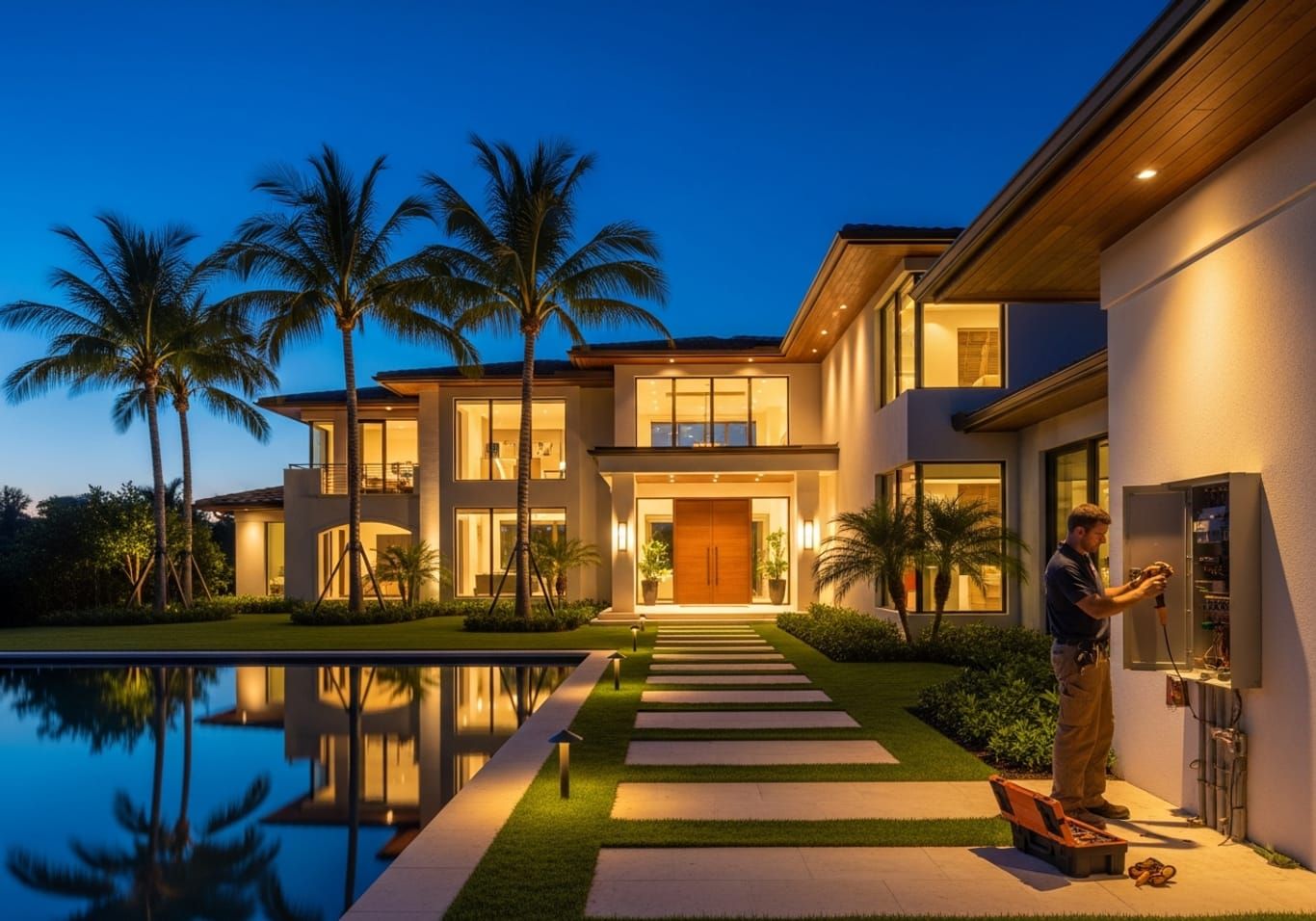
Plug in when you get home. Wake up to 100 %. A Level 2 charger turns your Palm Beach County garage into a private fill-up station — no detours, no charging anxiety, no waiting.
24/7 emergency electrical service available across Palm Beach County — call (561) 919-9037 any time.
A local team member follows up to answer your questions and walk you through your options, pricing, and any financing. No pressure, no call center.